Monitoring and optimizing the reuse or disposal of waste water in the fried snacks production industry
This application note outlines the use of the Polispec NIR inline system for monitoring waste water in a fried snack production facility.
The goal of this application is to measure the concentration of emulsified fat in the water, allowing the company to reuse the waste solution until it reaches a maximum limit of 700 mg/L of dispersed fat, at which point the water must be disposed of.
This approach maximizes the washing potential of the water, reduces disposal costs by avoiding premature discharge, and improves operational efficiency through continuous monitoring, reducing the need for manual sampling and analysis.
Continuous monitoring of waste waters with Polispec NIR to optimize their reuse or disposal.
In the fried snack production industry, the costs associated with managing and disposing of waste water can be significant. During the cleaning process of frying equipment, waste water becomes contaminated with dispersed fats and oils, which reduce its effectiveness once a certain concentration level is reached. However, controlled reuse of the water can greatly reduce operating costs and environmental impact.
The inline Polispec NIR system was implemented to continuously monitor the concentration of emulsified fat in waste water, allowing for efficient reuse until the 700 mg/L threshold is met, after which the water must be discarded.
Practical objectives
- Measure the amount of dispersed fat in waste water in real-time.
- Set a threshold of 700 mg/L of fat, above which the water must be disposed of.
- Reduce disposal costs by optimizing the reuse of waste water.
Methodology
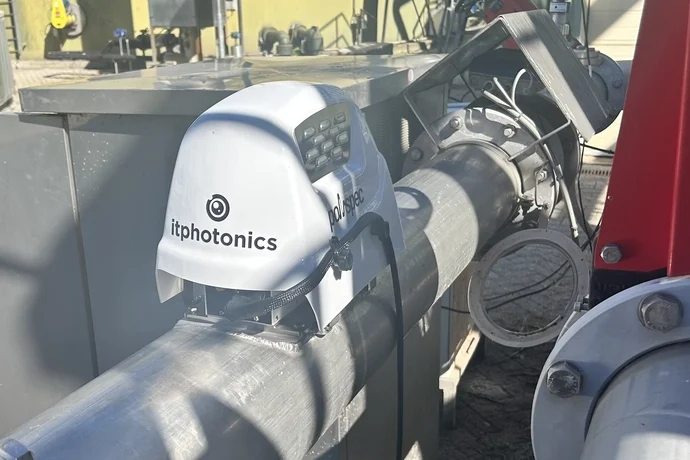
The Polispec NIR system was installed inline along the waste water recovery circuit. Using near-infrared (NIR) spectroscopy, the system performs real-time analysis to detect the characteristic absorption bands of dispersed fats in water.
Collection of Waste Water
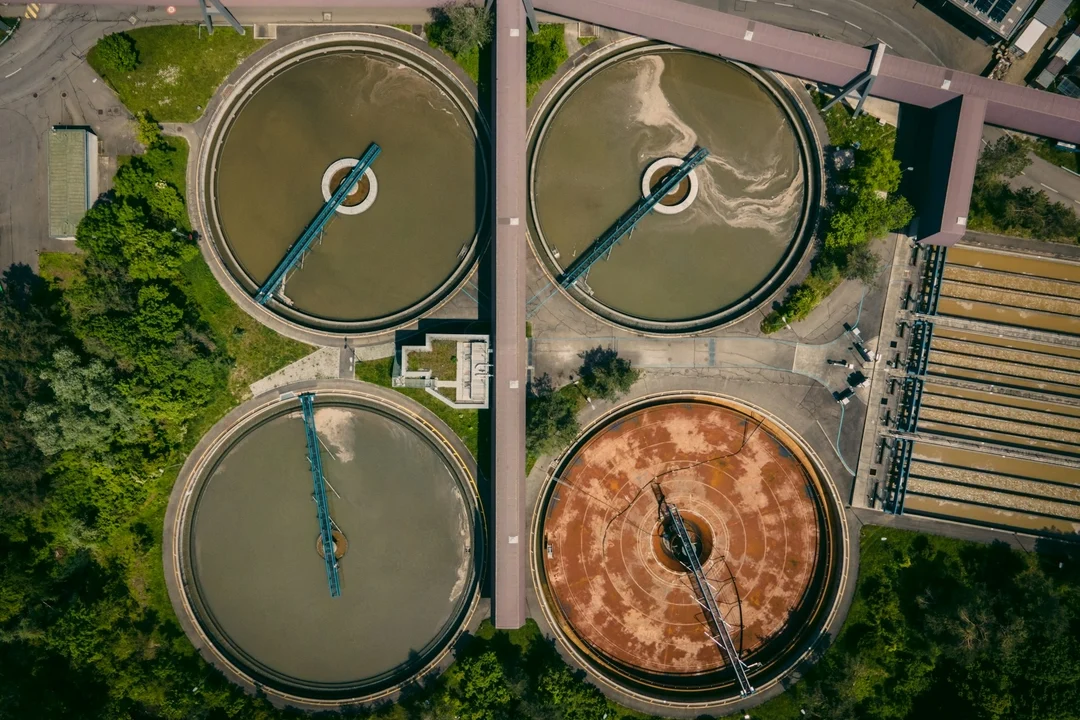
The water used for cleaning frying equipment is collected and circulated for potential reuse.
Inline Monitoring
The Polispec NIR system continuously analyzes the waste water, measuring the concentration of emulsified fat.
Disposal threshold
When fat concentration exceeds 700 mg/L, a signal is triggered to indicate that the water should be disposed of and replaced. The NIR spectroscopy technology detects the unique chemical bonds in fats, enabling accurate measurement even in complex emulsions.
Implementing the Polispec NIR system allowed the company to:
- Continuously and accurately monitor fat concentration in the waste water.
- Significantly reduce disposal costs by reusing water until the preset limit is reached.
- Ensure that the waste solution effectively cleaned the equipment by maintaining fat concentrations below 700 mg/L.
The company was able to optimize the waste cycle, using water more efficiently and reducing costs and environmental impact.
The inline Polispec NIR system has proven to be an essential tool for waste water analysis in the fried snack industry.
The ability to monitor dispersed fat in real-time allows for optimal water usage, reducing operational costs and ensuring effective cleaning of equipment.
This approach benefits the environment and enhances the company’s efficiency by streamlining the waste water management process.
Looking for a similar solution? Discuss your project with us.