Thanks for the research activities conducted by Luca Fasolato, Stefania Balzan, Sarah Currò, and Lorenzo Serva in the continuous application of VIS / NIR systems in food safety.
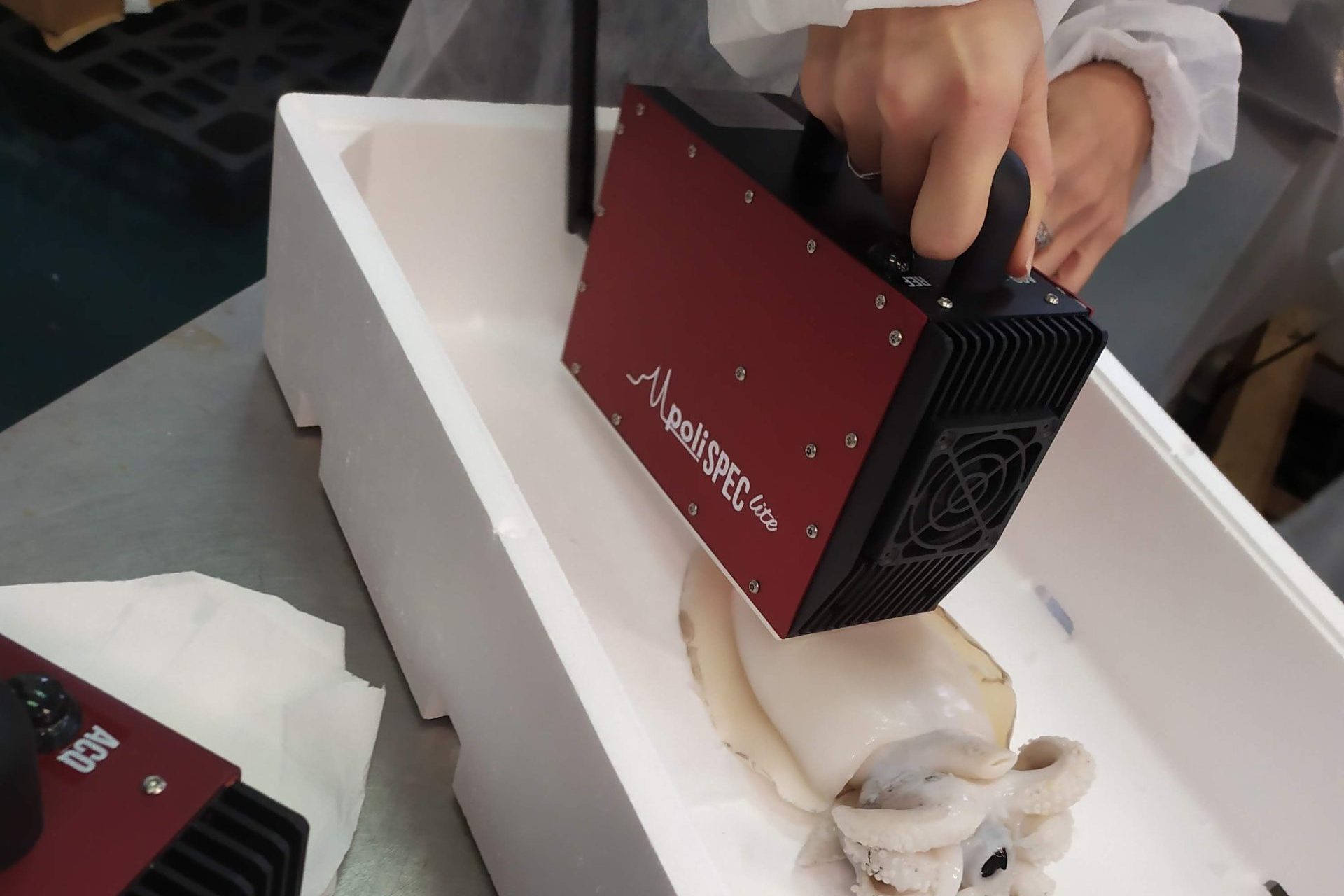
Spectrophotometry in the fish sector
Fish sector and spectrophotometry: when food safety becomes consumer safety
Abstract
The Department of Comparative Biomedicine UNIPD – FOOD HUB demonstrates how useful spectrophotometry in the fish sector is for the control and safety of food.
Objectives
01
Accurately and quickly verify the reliability of what is declared on the label
Introduction
The relevant requirements – for the consumer and the control authorities’ – in the fish sector
In the fish sector, the consumer and the control authorities’ relevant requirements are attributable to the authenticity, storage conditions, and traceability of the product on the market. Furthermore, to be considered fit for human food consumption, fish products must meet specific legal criteria.
From what is defined by the regulations in force and compliance with the hygienic-sanitary requirements, there is also the obligation of labeling.
The label must indicate specific information of the marketed product, including the commercial name, the species, the area of fishing (FAO area), the production method (farmed or wild), the category of fishing gear used (nets, pots, traps), the physical state of the product (fresh or thawed) and the minimum shelf life in the case of a packaged product.
Application
Near infrared spectrophotometry (NIR)
It, therefore, appears evident the need to accurately and quickly verify the reliability of what is declared on the label at the points of sale and along the fish supply chain. Near infrared spectrophotometry (NIR) appears to be a satisfactory and widely applied approach in food control to meet these needs. The correct identification of the product makes it possible to detect any commercial fraud, such as the replacement of species of high economic value with species of lesser value, an action often favored by the loss of morphological references to which, for example, already filleted products are subject; or the sale of the thawed product labeled as fresh.
Spectrophotometric applications in the VIS-NIR range
Spectrophotometric applications in the VIS-NIR range have shown in several circumstances to correctly identify the fish species in processed or semi-finished products in 100% of cases and to distinguish with an accuracy of 97% the fresh/thawed product and the area of origin.
A new frontier of VIS-NIR applications is demonstrating the effectiveness of using technology in determining the shelf life of fish products. This technology allows measuring with a reasonable degree of accuracy the days of conservation, the organoleptic aspects related to the freshness of the product, and the indicators associated with the deterioration of the same.
Conclusions
Case studies
Industrial
Case study
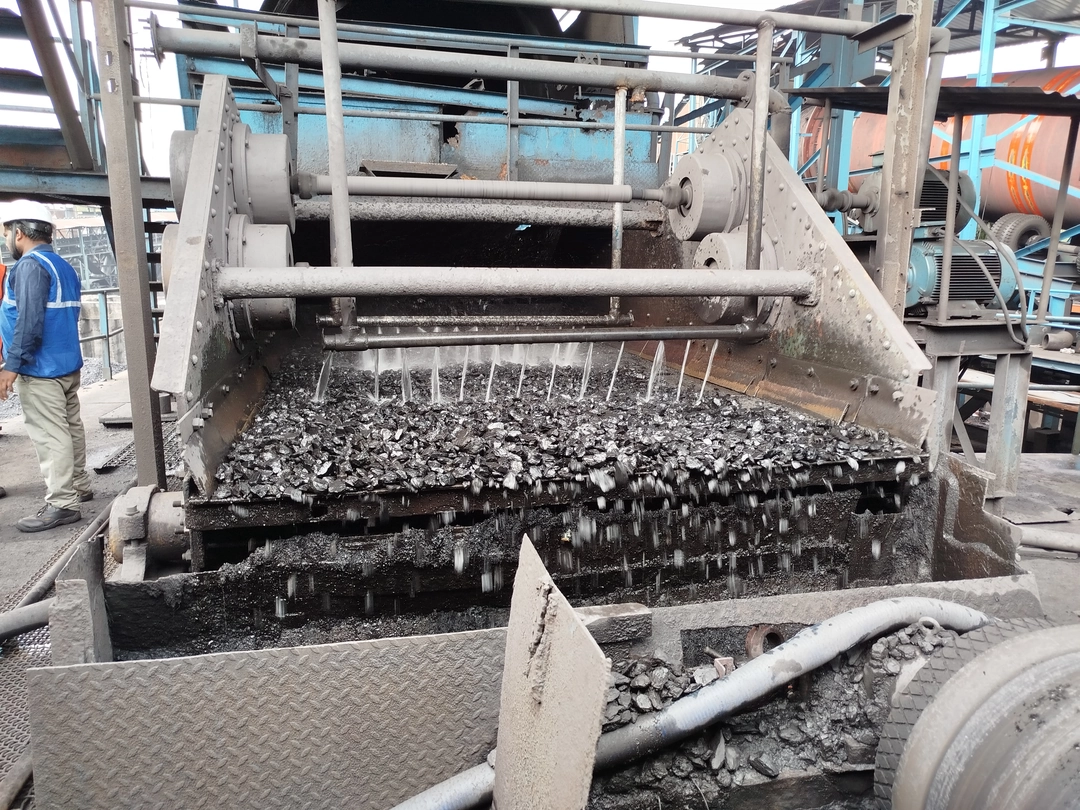
Online monitoring of ash and moisture in washed coal
Continuous measurement of ash and moisture content to optimize coal quality.
Read now
Industrial
Case study
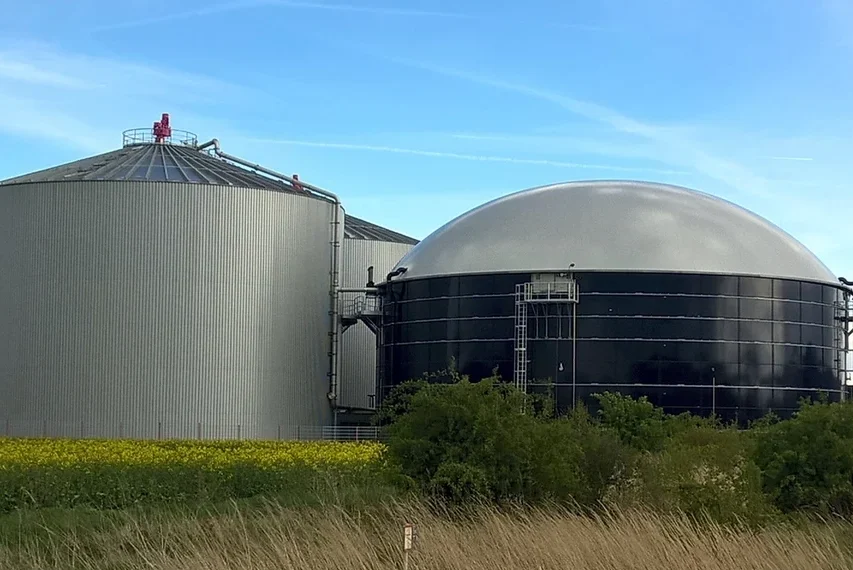
Monitoring livestock slurry characteristics for biogas plants
In-line measurement of total solids and ash content in livestock slurry to optimize biogas production.
Read now
Animal nutrition
Case study
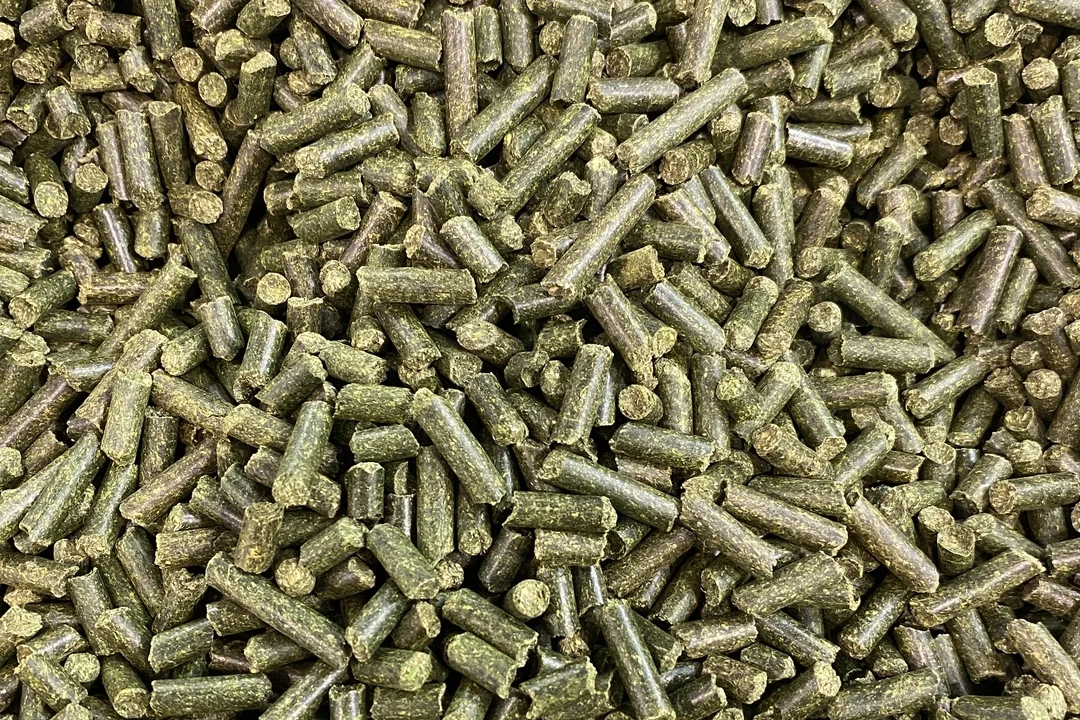
Quality and homogeneity control in feed production
In-line measurement of moisture and protein content to ensure feed quality and homogeneity.
Read now
Industrial
Case study
Optimizing straw pretreatment in the steam explosion process
In-line measurement of straw moisture to optimize the Steam Explosion process.
Read now