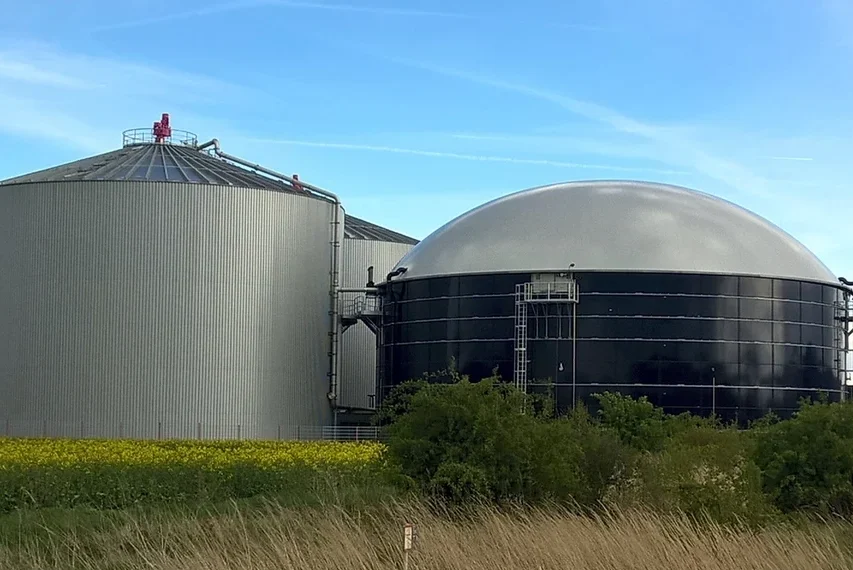
Optimizing methane potential for energy and biomethane production.
This application note highlights the use of the Polispec NIR system for in-line monitoring of livestock slurry characteristics in biogas plants.
The system enables real-time evaluation of dry matter content and methane potential in incoming slurry. These insights allow for the precise addition of complementary materials (e.g., waste products or biomass) and rechecking before introducing the mixture into digesters, optimizing energy and biomethane production processes.
Optimizing biogas and biomethane production with Polispec NIR.
Biogas and biomethane plants play a key role in the energy transition by transforming organic waste into sustainable energy sources.
However, variability in livestock slurry and waste material characteristics can significantly impact the efficiency and yield of the anaerobic digestion process.
The use of a real-time analysis system like Polispec NIR helps optimize the process, ensuring balanced substrate composition and enhancing methane yield potential.
Practical objectives
- Measure dry matter content and methane potential of livestock slurry in real-time.
- Enable precise supplementation of complementary materials to balance substrate composition.
- Monitor the final mixture before its introduction into digesters, ensuring process optimization and maximum energy yield.
Methodology
The Polispec NIR system was installed in-line to analyze incoming livestock slurry. The continuous analyses enable total and in-real-time control.
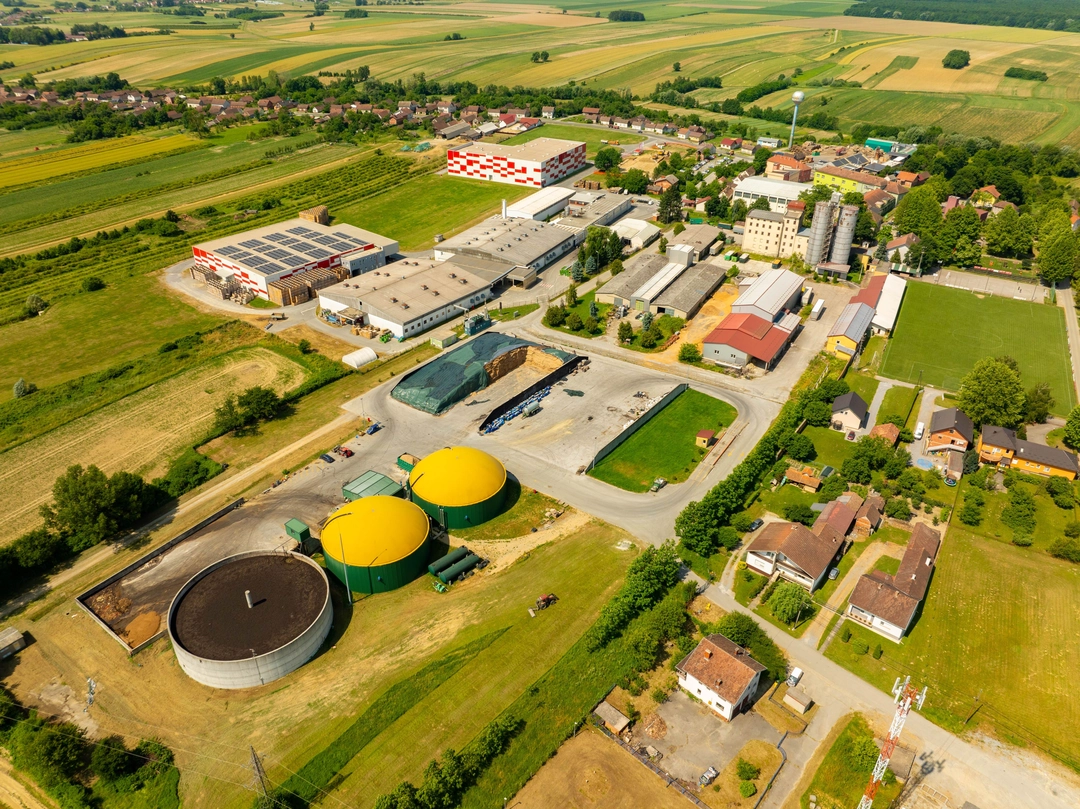
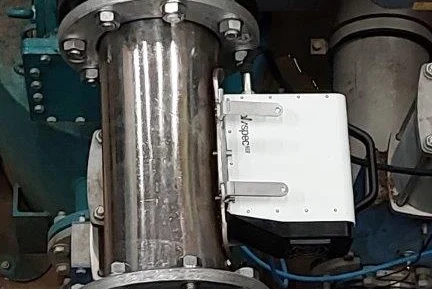
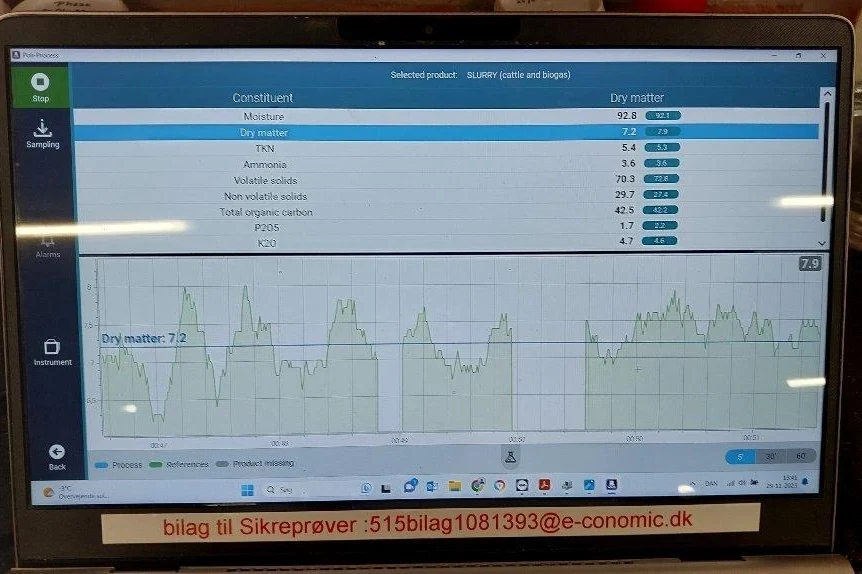
Incoming analysis
Livestock slurry is analyzed by the Polispec NIR to determine key parameters.
Substrate balancing
Based on the results, the slurry is supplemented with complementary materials, such as biomass or organic waste.
Recheck
The optimized mixture is reanalyzed to ensure compliance with requirements before being introduced into digesters.
Implementing the Polispec NIR system has enabled:
- Optimized substrate balancing, improving the quality of material fed into digesters.
- Increased energy yield thanks to more efficient use of slurry and waste materials.
- Reduced variations in biogas production, ensuring greater stability in the process.
The system has facilitated more precise control over the flotation process, contributing to increased overall productivity and reduced operational costs.
Il sistema Polispec NIR rappresenta una soluzione efficace per il monitoraggio in tempo reale dei liquami zootecnici destinati agli impianti a biogas.
Its ability to measure dry matter and methane potential in real time optimizes the process, increasing energy productivity and ensuring more efficient resource utilization.
Looking for a similar solution? Discuss your project with us.